


|
ACD-200 Macroporous Chelating Resin for Precious Metal Adsorption with High Capacity and Selectivity
Product Details:
| Place of Origin: | Shaanxi, China |
| Brand Name: | Sphelite |
| Model Number: | ACD-200 |
Payment & Shipping Terms:
| Minimum Order Quantity: | 100 liters |
|---|---|
| Price: | $15.50/liters 100-999 liters |
|
Detail Information |
|||
| CAS No.: | 9003-70-7 | Other Names: | Chelating Resin |
|---|---|---|---|
| EINECS No.: | 202-851-5 | Type: | Synthetic Resin And Plastics |
| Purity: | 99.9% | Application: | Gold Extract |
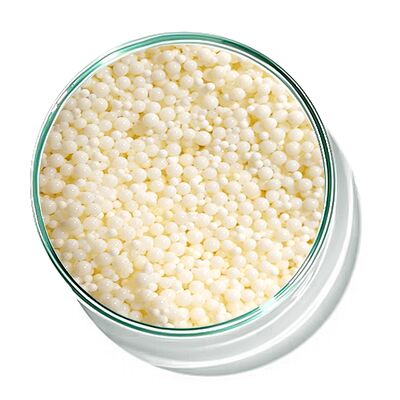
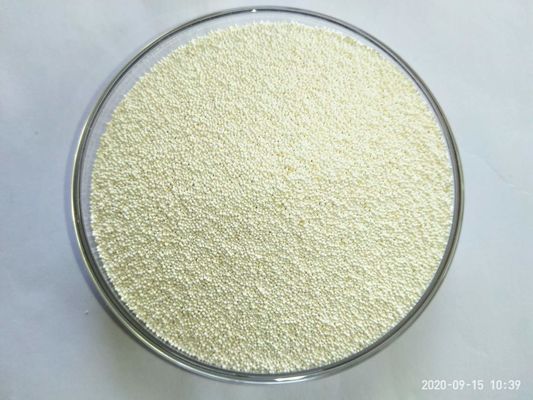
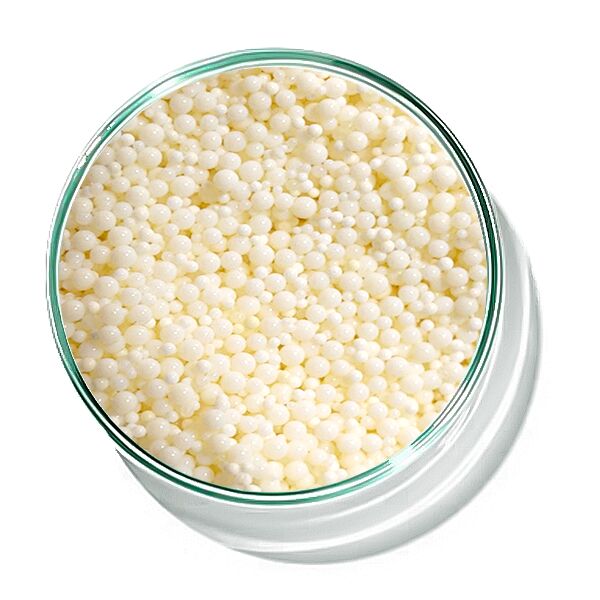
| Appearance: | White Granule | Usage: | Au, Ag, Pt, Pd Extract |
| Material: | Styrene | MOQ: | 1000kG |
| Certificate: | ISO9001 | Color: | White Or Light Yellow |
| Package: | 25KG/BAG | Grade: | Industrial Grade |
| Sample: | 50g FREE | ||
| Highlight: | ACD-200 Macroporous Chelating Resin,Precious Metal Adsorption Chelating Resin |
||
Product Description
ACD-200 Macroporous Chelating Resin: The Ideal Solution For Precious Metal Adsorption
Product Information
ACD-200 uses styrene-divinylbenzene copolymer as the framework, adopts advanced suspension polymerization process, and combines pore-forming agent technology to construct a stable macroporous network structure. Through subsequent chemical modification, high-density chelating groups (such as mercaptans, amino groups, etc.) are directionally introduced onto the framework to form functional sites with strong selectivity for precious metal ions, featuring both high specific surface area and excellent physical and chemical stability.
| S/N | Items | Technical Indexes |
|---|---|---|
| 1 | Appearance | White spherical beads |
| 2 | Particle size range (mm) ≥ 95% | 0.315-1.25 |
| 3 | Moisture Content (%) | 50-60 |
| 4 | Wet apparent density (g/ml) | 0.65-0.75 |
| 5 | True density (g/ml) | 1.03-1.15 |
| 6 | Sphericity after attrition (%) ≥ | 90 |
| 7 | Volume exchange capacity (mmol/ml) ≥ | 1.1 |
| 8 | Functional group | Thiourea group |
Product Advantages
- High adsorption capacity: The macroporous structure accelerates mass transfer, and the chelating groups achieve a dynamic adsorption capacity of gold and silver ions of over 1.2mmol/g.
- Outstanding selectivity: The rejection rate for common interfering ions such as Cu²⁺ and Fe³⁺ exceeds 95%, significantly reducing the subsequent purification cost.
Frequently Asked Questions
What is the warranty time of your ion exchange resin?
One year in cool and ventilated storage conditions.
How are the prices of your products calculated?
The product price is determined according to raw material cost, production process, order quantity, transportation mode and tax and other factors.
Can I get a free sample?
Yes, you can get a 200g free sample, you just need to pay for the courier fee.
Want to Know more details about this product
