


 |
ASD-001 Ammonia Nitrogen Removal Resin Municipal Wastewater Tertiary Treatment Effluent Polishing Media
Product Details:
| Place of Origin: | Shaanxi, China |
| Brand Name: | Sphelite |
| Certification: | ISO 9001:2015 |
| Model Number: | ASD-001 |
Payment & Shipping Terms:
| Minimum Order Quantity: | 100 Liters |
|---|---|
| Price: | Negotiable |
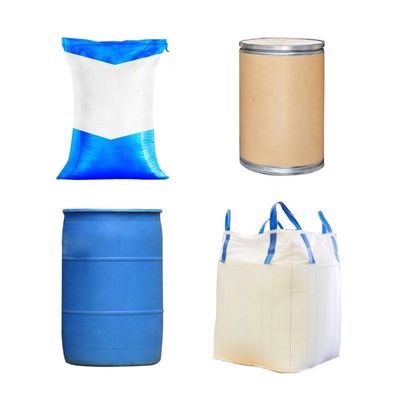
| Packaging Details: | 25 kg/bag, 40 bags = 1 ton on pallet (custom packaging available) |
| Delivery Time: | 3-7 working days for stock, 15-25 days for production |
| Payment Terms: | T/T, L/C, PayPal, Western Union |
| Supply Ability: | 24000 Metric Tons per Year |
|
Detail Information |
|||
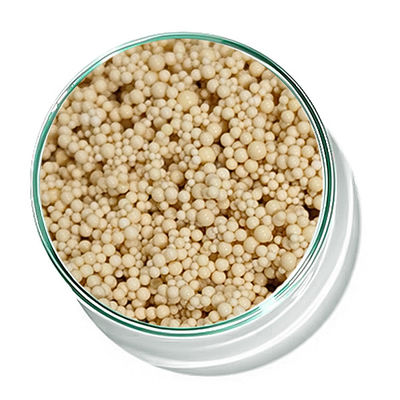
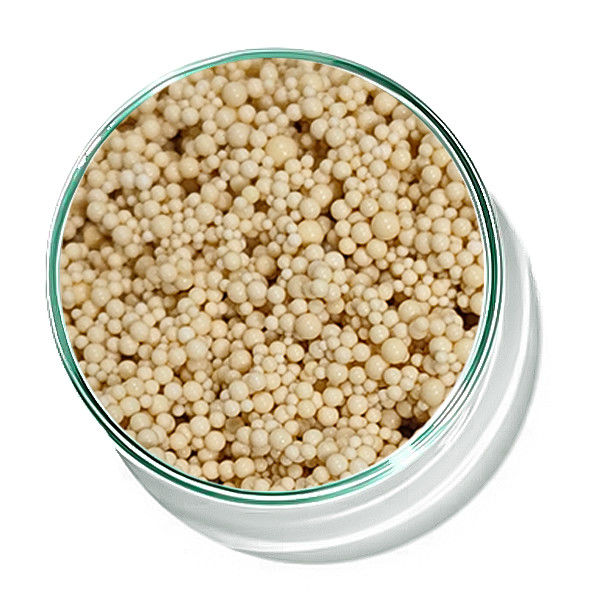
| Appearance: | Ostrich To Brown Opaque Spherical Particles | Purity: | 99.8% |
|---|---|---|---|
| Polymer Structure: | Macroporous Polystyrene-divinylbenzene Copolymer | Functional Group: | Sulfonic Acid (-SO3-) |
| Ionic Form: | Na+ / H+ (sodium Or Hydrogen Form) | Particle Size Range: | 0.315-1.25 Mm (>=95%) |
| Moisture Content: | 45-55% | Wet Apparent Density: | 0.77-0.85 G/mL |
| True Density: | 1.25-1.28 G/mL | Total Exchange Capacity: | >=4.35 Mmol/g |
| Target Pollutant: | Ammonia Nitrogen (NH4+-N) | Application: | Ammonia Nitrogen Polishing In Municipal Wastewater Tertiary Treatment |
| Regeneration: | NaCl Brine Or Dilute HCl Regeneration | Media Position: | Tertiary Polishing After Biological Nitrification |
| Typical Effluent: | Below 1.5 Mg/L Total Ammonia Nitrogen | ||
| Highlight: | Ammonia nitrogen removal resin,Municipal wastewater treatment resin,Cation exchange resin effluent polishing |
||
Product Description
PRODUCT INFORMATION
ASD-001 Resin for Tertiary Ammonia Polishing in Municipal Wastewater Plants
ASD-001 is a macroporous strong acid cation exchange resin built on a polystyrene-divinylbenzene copolymer with sulfonic acid groups, available in sodium (Na+) or hydrogen (H+) form. For municipal wastewater operators it works as a tertiary polishing tool: after biological nitrification, residual ammonium ions are exchanged onto the resin so the final effluent reliably meets tightening ammonia nitrogen discharge permits.
KEY FEATURES
- Consistently polishes secondary effluent ammonium to low levels even when biological nitrification is unstable in cold weather.
- High total exchange capacity (>=4.35 mmol/g) minimizes resin volume and vessel footprint in plant retrofits.
- Fast kinetics suit the short contact times available in existing tertiary filter structures.
- Macroporous structure resists fouling by residual organics and suspended solids in secondary effluent.
- Regenerable with brine or dilute acid, with spent regenerant easily returned to the plant headworks for nitrogen removal.
- Robust beads maintain low pressure drop over years of service in downflow or upflow polishing columns.
TECHNICAL SPECIFICATIONS
| S/N | Items | Technical Indexes |
|---|---|---|
| 1 | Appearance | Ostrich to brown opaque spherical particles |
| 2 | Particle size range (mm) ≥95% | 0.315-1.25 |
| 3 | Moisture Content (%) | 45-55 |
| 4 | Wet apparent density (g/mL) | 0.77-0.85 |
| 5 | True density (g/mL) | 1.25-1.28 |
| 6 | Sphericity after attrition (%) ≥ | 90 |
| 7 | Total exchange capacity (mmol/g) ≥ | 4.35 |
| 8 | Functional group | -SO3- (sulfonic acid) |
| 9 | Ionic form | Na+ / H+ |
APPLICATION SCENARIOS
- Tertiary ammonium polishing at municipal wastewater treatment plants (WWTPs).
- Effluent standard upgrades where discharge limits drop below 1.5-2 mg/L ammonia nitrogen.
- Peak-load ammonia control during wet weather or low-temperature seasons.
- Water reclamation plants producing reuse water for industry or irrigation.
- Small community plants and decentralized treatment units needing simple, reliable ammonia removal.
OUR STRENGTHS
Production Capacity
Sphelite operates a 100,000 m² production base with an annual output of 24,000 metric tons of ion exchange and adsorption materials.
Quality System
All raw materials are tested before production; finished products are packaged only after strict quality control under ISO 9001:2015 procedures.
Technical Service
Online technical Q&A, application guidance and after-sales support are provided by our engineering team.
Logistics
Located near Tianjin Port and Qingdao Port, we offer prompt delivery for both sample and bulk orders.
FAQ
Q1: Where exactly is ASD-001 placed in the treatment train?
After secondary clarification and, ideally, after filtration, in a dedicated ion exchange polishing vessel. The plant can recirculate or batch-process the flow that exceeds the ammonia limit.
Q2: What happens to the ammonia after regeneration?
The ammonium-rich spent regenerant is returned to the biological stage in controlled doses, where existing nitrification removes it - no new waste stream leaves the plant.
Q3: How long does the resin last?
With proper pretreatment and regeneration control, service life of several years is typical. Regular backwash keeps the bed free of suspended solids.
Q4: Do you support plant trials?
Yes. Free samples are available for on-site column tests, and our engineers can help design the trial protocol. Only courier cost is borne by the buyer.
Ready to Start Your Project?
Send us your water quality data and target ammonia level, and our engineers will reply within 24 hours with media selection, dosage and quotation.
Free samples available – courier cost to be covered by the buyer.
Want to Know more details about this product
